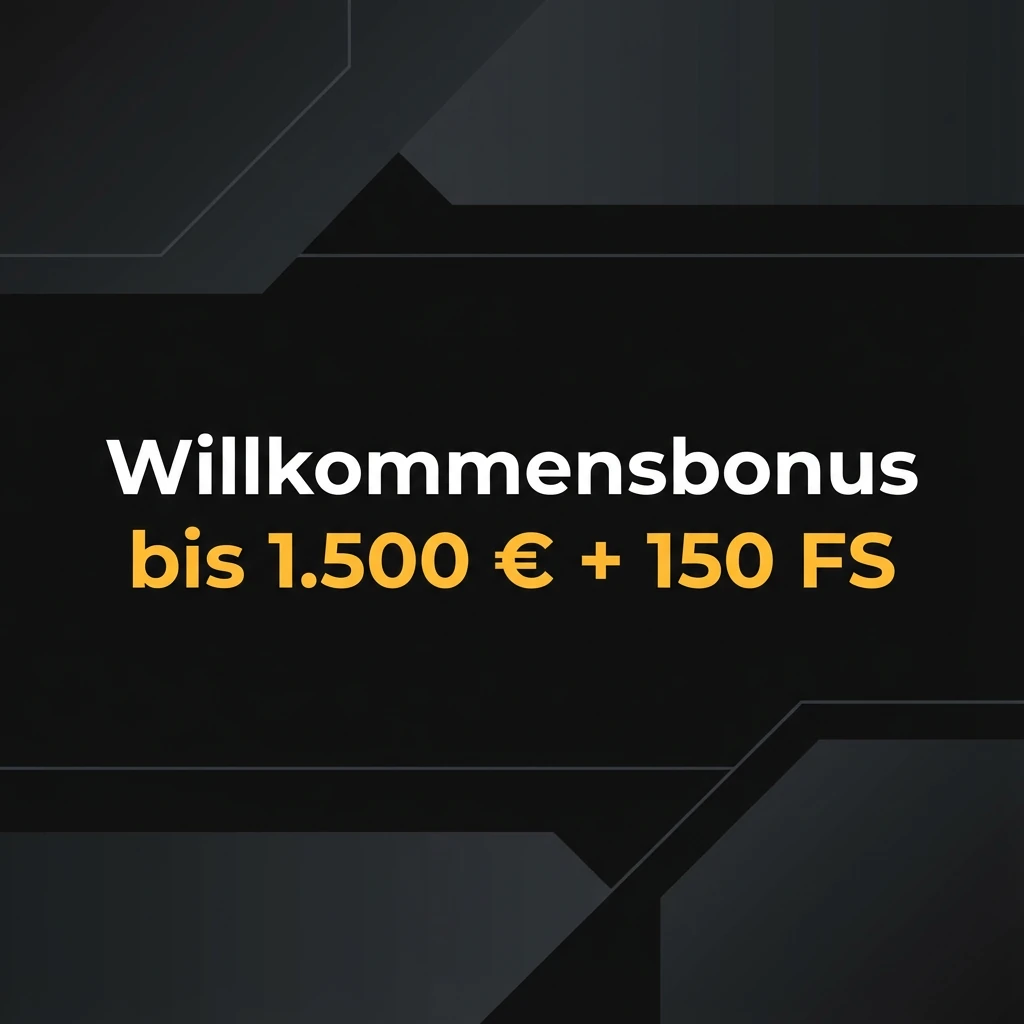
Fun Bet wird häufig über seine Spielauswahl wahrgenommen, doch für erfahrene Spieler lohnt vor allem der nüchterne Blick auf Bonusse und Aktionen. Genau dort zeigt sich, ob ein Angebot nur mit hoher Zahl glänzt oder im Alltag tatsächlich brauchbar ist. Bei Offshore-Casinos ist das wichtig, weil starke Aktionsseiten oft mit Bedingungen, Auszahlungsgrenzen und Verifikationsschritten zusammenhängen, die man vor der ersten Einzahlung verstehen sollte. Fun Bet ist für Spieler in Deutschland kein GGL-lizenziertes Angebot und arbeitet ohne OASIS- und LUGAS-Anbindung. Wer solche Seiten nutzt, sucht meist mehr Freiheit bei Einsatzhöhe, Tempo und Spielauswahl. Das heißt aber auch: Bonusse müssen strenger gelesen werden als in regulierten deutschen Umfeldern. In diesem Überblick geht es deshalb nicht um Werbeversprechen, sondern um Nutzen, Grenzen und typische Fehlannahmen.
Wer sich erst einmal selbst ein Bild machen will, kann auf der offiziellen Seite mehr erfahren. Für die Einordnung reicht aber ein Klick allein nicht aus: Entscheidend ist, wie Bonusregeln, Spielbeiträge, Auszahlungslimits und Verifizierung ineinandergreifen. Gerade erfahrene Spieler unterschätzen oft nicht den Bonus selbst, sondern die Nebenlogik dahinter.

Wie Fun Bet Bonusse in der Praxis zu bewerten sind
Bei Bonusangeboten zählt nicht die nackte Höhe, sondern die Umsetzbarkeit. Ein großer Einzahlungsbonus ist nur dann wertvoll, wenn die Umsatzbedingungen, die maximale Einsatzhöhe während des Umsatzes, die Fristen und die zulässigen Spiele zusammenpassen. Bei einem Anbieter mit breiter Slot-Auswahl kann ein Bonus attraktiv wirken, weil viele Titel für die Umsatzanforderung offenstehen. Trotzdem bleibt der Kern derselbe: Ein Bonus ist kein Zusatzgeld ohne Gegenleistung, sondern ein gebundenes Guthaben mit Regeln.
Für erfahrene Spieler sind vier Fragen wichtiger als die Prozentzahl:
- Wie hoch ist der tatsächliche Umsatzbedarf im Verhältnis zur Bonussumme?
- Welche Spiele tragen voll, teilweise oder gar nicht zum Umsatz bei?
- Wie stark begrenzt die maximale Einsatzhöhe die Spielweise?
- Was passiert, wenn eine Auszahlung beantragt wird, bevor alles erfüllt ist?
Gerade bei Marken im Graumarkt wirkt ein Bonus oft großzügiger, weil die Plattform weniger regulatorische Begrenzungen kennt als in Deutschland. Das kann praktisch sein, wenn man bewusst Slots mit höherer Volatilität oder höhere Einsätze spielen will. Es kann aber genauso schnell nachteilig werden, wenn das Bonusmodell dazu führt, dass Gewinne nur gestaffelt oder verzögert auszahlbar sind. Bei Fun Bet ist zudem wichtig, dass für Neukunden Berichte über niedrige tägliche Auszahlungslimits vorliegen. Wer einen Bonus spielt und parallel einen größeren Gewinn erzielt, kann dadurch schnell in einen gestreckten Auszahlungsplan geraten.
Was ein Bonus wertvoll macht und was ihn entwertet
Die Qualität eines Bonus erkennt man daran, wie wenig Reibung er im Spielalltag erzeugt. Ein gutes Angebot macht transparent, welche Bedingungen gelten, und lässt sich in der Praxis vernünftig umsetzen. Ein schwaches Angebot verschiebt die Aufmerksamkeit auf den Betrag, verschweigt aber die Konsequenzen. Das ist besonders bei Willkommenspaketen, Freispiele-Bundles oder Reload-Aktionen relevant.
Typische Werttreiber sind:
- moderate Umsatzbedingungen statt überzogener Pflichtumsätze,
- klare Spielbeiträge ohne versteckte Sonderregeln,
- ausreichend lange Fristen, damit nicht hektisch gespielt werden muss,
- ein sinnvoller Höchsteinsatz pro Drehung während des Bonus,
- keine überraschend niedrigen Auszahlungsdeckel.
Typische Entwertungsfaktoren sind dagegen:
- zu kurze Gültigkeit, die zu Panikspiel führt,
- hoher Umsatz bei geringer Bonussumme,
- starke Einschränkungen auf einzelne Spielarten,
- weiche Formulierungen in den Bedingungen, die Auslegungsspielraum lassen,
- späte oder langsame Verifikation, obwohl Einzahlungen sofort angenommen werden.
Ein häufiger Denkfehler ist, Bonus und Casino getrennt zu betrachten. In Wahrheit gehören sie zusammen. Ein Bonus mit straffen Regeln kann bei einem Anbieter mit ohnehin langsamen Auszahlungen oder strenger KYC-Bearbeitung deutlich weniger wert sein als ein kleineres, aber sauber strukturiertes Angebot.
Fun Bet im Verhältnis zu deutschen Erwartungen
Für Spieler aus Deutschland ist Fun Bet vor allem deshalb interessant, weil das Angebot nicht den typischen deutschen Slot-Begrenzungen unterliegt. Das betrifft vor allem Einsatzhöhe und Spielfluss. Wer aus dem regulierten Umfeld kommt, kennt die 1-€-Grenze, die 5-Sekunden-Pause und weitere Schutzmechanismen. Offshore-Angebote wirken im Vergleich freier, aber eben auch rauer. Genau dieser Kontrast prägt die Bonuswahrnehmung: Ein Bonus erscheint wertvoller, wenn das Spieltempo hoch ist und die Auswahl größer wirkt. Das ist psychologisch nachvollziehbar, aber nicht automatisch wirtschaftlich sinnvoll.
Für eine sachliche Bewertung hilft ein kurzer Vergleich:
| Aspekt | Reguliertes Umfeld in Deutschland | Fun Bet / Graumarkt-Kontext |
|---|---|---|
| Spieltempo | Stark gebremst durch Vorgaben | Spürbar freier und schneller |
| Bonuswirkung | Eher konservativ, oft mit geringerem Spielraum | Oft großzügiger, aber an strengere Bedingungen gebunden |
| Spielerschutz | Höher durch OASIS und LUGAS | Deutlich weniger Schutzmechanismen |
| Auszahlungslogik | Stärker standardisiert | Häufig stärker vom Betreiber und vom VIP-Level abhängig |
| Slot-Auswahl | Eher begrenzt | Sehr groß, mit vielen bekannten Studios |
Genau hier liegt der Kern der Value-Assessment-Frage: Ein Bonus ist nicht automatisch besser, nur weil das Umfeld freier wirkt. Der reale Wert hängt davon ab, ob du die Bedingungen mit deiner Spielweise vereinbaren kannst und ob Auszahlungen nicht durch enge Limits ausgebremst werden.
Die wichtigsten Risiken und Trade-offs
Bei Fun Bet gibt es mehrere Punkte, die man vor einer Bonusnutzung nüchtern auf dem Schirm haben sollte. Das ist kein Alarmismus, sondern praktische Vorsicht. Wer diese Faktoren ignoriert, bewertet den Bonus schnell zu optimistisch.
- Kein deutscher Lizenzrahmen: Es gibt keine GGL-Lizenz und keine OASIS-Anbindung. Wer Selbstschutz über Sperrsysteme braucht, ist hier falsch.
- Niedrige tägliche Auszahlungsgrenzen: Bei Startleveln wurden wiederholt sehr niedrige Limits berichtet. Große Gewinne können dadurch über längere Zeit gestreckt werden.
- KYC-Risiko: Verifizierungen können Zeit kosten. Wenn Unterlagen vor dem Wochenende eingereicht werden, ist eine Bearbeitung nicht garantiert schnell.
- VPN-Konflikt: Die Nutzung von VPNs zur Standortverschleierung ist laut den Bedingungen problematisch und kann im Ernstfall zur Sperre führen.
- Reduzierte RTP-Versionen: Bei einzelnen Spielen wurden niedrigere Auszahlungsquoten beobachtet als in manchen anderen Märkten. Das mindert den Langzeitwert des Spielens.
Für Bonusjäger ist besonders wichtig: Ein guter Bonus kann durch schwache Auszahlungsbedingungen entwertet werden. Wenn du also zwischen mehreren Aktionen wählen kannst, solltest du nicht nur nach der höchsten Zahl gehen, sondern auch danach, wie schnell du im Ernstfall wieder an dein Geld kommst. Genau an diesem Punkt trennt sich Marketing von echtem Nutzen.
Praktische Checkliste vor der Einzahlung
Bevor du einen Bonus bei Fun Bet annimmst, lohnt eine einfache Entscheidungsroutine. Sie spart Frust und verhindert, dass man nach dem ersten Gewinn feststellt, dass die Regeln nicht zum eigenen Spielstil passen.
- Bonusbedingungen vollständig lesen, nicht nur die Überschrift.
- Prüfen, ob der Bonus für Slots, Live-Spiele oder Mischformen gilt.
- Maximalen Einsatz während des Bonus notieren.
- Die Auszahlungsgrenzen für neue Konten prüfen.
- KYC möglichst vor einer größeren Gewinnphase einplanen.
- Keine Einzahlung nur deshalb tätigen, weil ein Bonus optisch groß wirkt.
- Budget vorher festlegen und vom Bonus unabhängig behandeln.
Wer diese Punkte sauber abarbeitet, kann Bonusse besser vergleichen und vermeidet die häufigste Falle: Man hält den Bonus für Vorteil, obwohl er faktisch nur zusätzliche Bindung erzeugt.
Wo Fun Bet beim Bonusprofil sinnvoll sein kann
Fun Bet kann für erfahrene Spieler interessant sein, wenn drei Dinge zusammenkommen: ein klares Bedürfnis nach mehr Spielraum, der Wunsch nach großer Slot-Auswahl und die Bereitschaft, mit Offshore-Risiken umzugehen. Wer bewusst auf Einschränkungen wie 1-€-Einsatzlimit und 5-Sekunden-Pause verzichten möchte, findet dort eher die passende Struktur als in stark regulierten deutschen Umfeldern. Das gilt auch für Spieler, die lieber direkt mit hoher Slot-Varianz oder breiter Studioauswahl arbeiten.
Weniger passend ist das Angebot für alle, die vor allem Sicherheit, deutsche Schlichtungswege und planbare Auszahlungen wollen. Gerade Bonusse sind dann nur auf dem Papier attraktiv. Der wirkliche Mehrwert entsteht erst, wenn die Bedingungen, Limits und Verifikationsabläufe zur eigenen Spielweise passen.
Unterm Strich ist Fun Bet beim Thema Bonus eher als leistungsorientiertes, aber anspruchsvolles Angebot einzuordnen. Es kann sich für informierte Spieler lohnen, wenn man die Regeln versteht und die Risiken akzeptiert. Wer dagegen einen bequemen, stark geschützten und einfach kalkulierbaren Bonus sucht, wird hier wahrscheinlich nicht glücklich.
Ist ein Fun Bet Bonus automatisch besser als ein deutscher Bonus?
Nicht automatisch. Offshore-Boni wirken oft großzügiger, können aber durch Umsatzregeln, Auszahlungsgrenzen und Verifizierungsaufwand deutlich an Wert verlieren.
Warum sind Auszahlungen bei Fun Bet besonders wichtig für die Bonusbewertung?
Weil ein Bonus nur dann praktisch nützt, wenn Gewinne ohne unnötige Verzögerung verfügbar sind. Niedrige Tageslimits können selbst gute Gewinne lange binden.
Worauf sollte ich vor Annahme einer Aktion zuerst achten?
Auf Umsatzbedingungen, maximalen Einsatz, Spielbeiträge und Auszahlungsgrenzen. Wenn eines davon unklar ist, ist der Bonus im Zweifel schwächer als er aussieht.
Ist Fun Bet für Spieler mit Selbstsperre geeignet?
Nein, jedenfalls nicht als Ersatz für regulierte Angebote mit OASIS-Anbindung. Wer auf externe Schutzmechanismen angewiesen ist, sollte solche Seiten meiden.
Fazit
Fun Bet ist beim Thema Bonus weniger ein Ort für schnelle Versprechen als für genaue Prüfung. Wer Bonusse rein nach Höhe bewertet, übersieht leicht die eigentlichen Stellschrauben: Bedingungen, Limits, Auszahlungslogik und Verifikation. Für erfahrene Spieler kann das Angebot interessant sein, wenn Freiheit und Spielauswahl wichtiger sind als maximaler Spielerschutz. Als brand-first Bewertung bleibt deshalb der nüchterne Maßstab: Ein Bonus ist nur dann gut, wenn er in der Praxis funktioniert und nicht nur auf dem Banner stark aussieht.
Über den Autor
Nele Herrmann schreibt analytisch über Bonusse, Spielmechanik und die praktischen Unterschiede zwischen regulierten und Offshore-Angeboten. Ihr Fokus liegt auf klarer Einordnung statt Werbeton.
Quellen
zu Betreiberstruktur, Lizenzrahmen, Marktstatus Deutschland, Auszahlungslimits, KYC-Mustern, Plattformtyp, VPN-Regel, Sicherheitslage, RTP-Beobachtungen und Slot-Auswahl.